by Krystal Brassey | Aug 26, 2026 | Architecture
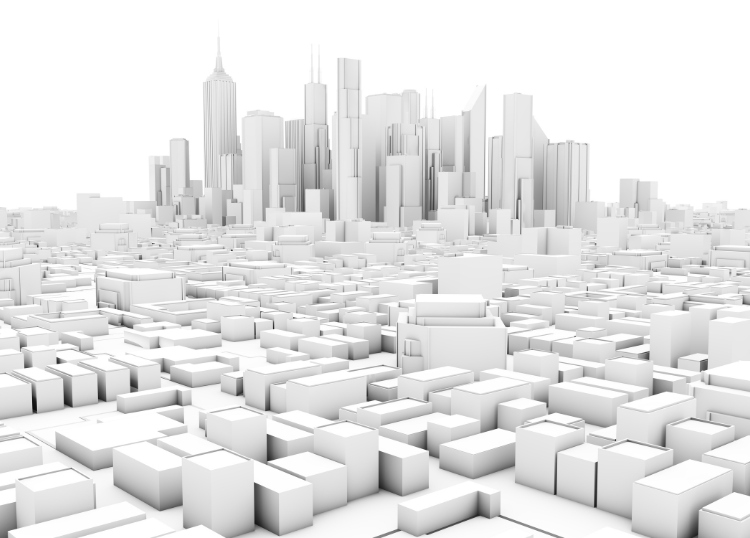
Cities are particularly vulnerable to extreme heat. Buildings, roads, parking areas and other hard surfaces absorb solar energy throughout the day and release some of that heat later. At the same time, urban development often removes: Trees Vegetation Open soil...

by Krystal Brassey | Aug 25, 2026 | Architecture
A building can technically comply with accessibility requirements and still be difficult to use. The accessible parking bay may be provided, but the route to the entrance is awkward. A ramp may exist, but it leads to a side door while everyone else uses the main...
by Krystal Brassey | Aug 25, 2026 | Architecture
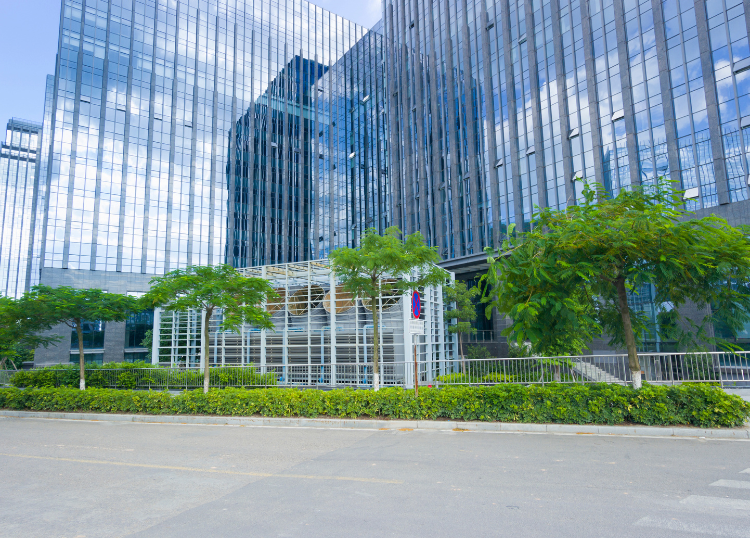
A business park can take years to plan and build, but it may remain in use for decades. That difference in timescale creates one of the central challenges of commercial development. Developers need to make decisions today about buildings, roads, utilities and public...

by Krystal Brassey | Aug 25, 2026 | Architecture
Buildings are usually designed around a beginning. A client identifies a need. Architects develop a solution. Materials arrive on site. Construction takes place, and eventually the building is occupied. Circular design asks architects to think much further ahead. What...

by Krystal Brassey | Aug 20, 2026 | Architecture
Historic buildings and sites are never completely static. Materials weather. Structures move. Alterations are made. Natural disasters, development pressure, neglect and climate conditions can all affect heritage places over time. That makes accurate documentation...
by Krystal Brassey | Aug 20, 2026 | Architecture, Developments
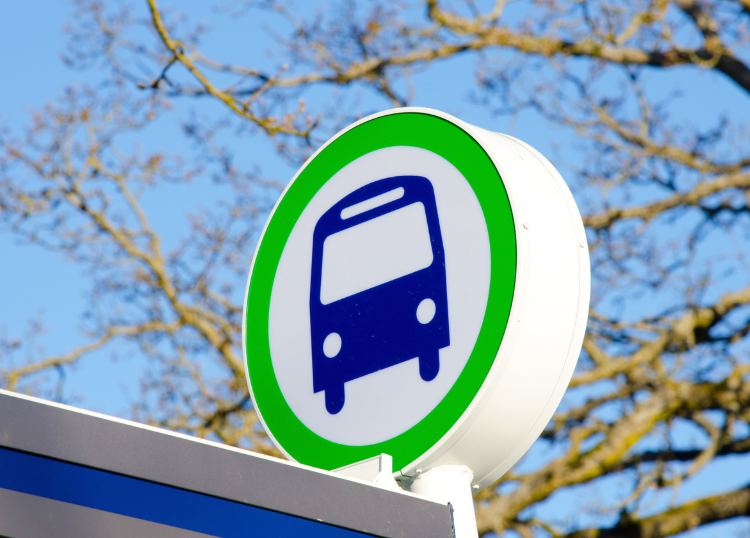
A railway station, bus interchange or rapid-transit stop can do more than move people from one place to another. It can become the centre of a neighbourhood. Transit-oriented development, commonly shortened to TOD, is an approach to urban planning that concentrates...
