

Summer Stormwater Planning for Buildings and Sites
A summer thunderstorm can change site conditions within minutes. Roofs begin discharging large volumes of water, paved surfaces direct runoff towards low points, and areas of exposed soil become vulnerable to erosion. Where drainage systems are undersized, blocked or...

Security Design That Does Not Make a Home Feel Closed In
Security is a practical concern for many South African homeowners. Boundary walls, gates, burglar bars, alarms and surveillance systems are familiar features of residential properties, particularly in urban and suburban areas. While these measures can contribute to...

What Property Owners Should Check Before Year-End Alterations
The final months of the year often bring a renewed focus on property improvements. Homeowners may want to finish a kitchen renovation before relatives arrive, landlords may be preparing premises for new tenants, and commercial property owners may see the December...

Planning Student Accommodation for the Next Academic Year
The beginning of a new academic year places considerable pressure on student accommodation providers. Students are looking for suitable places to live, universities are preparing for the return of academic activity, and property owners are working to ensure that...

The Role of Craftsmanship in Authentic Restoration
An old timber window may appear simple until someone attempts to repair it. Its proportions, joints, glazing details and surface finish often reflect techniques developed over generations. Replacing it with a modern product of similar appearance may seem...

Why Last-Mile Connections Matter in Urban Planning
A public transport station can be well designed, efficiently operated and positioned along an important urban route, yet still be difficult for people to use. The problem may not be the transport service itself. It may be the journey between the station and the places...

Daylight Control in Bright South African Interiors
Natural light is one of the most desirable qualities in a building. It can make interior spaces feel open, welcoming and connected to their surroundings. In homes, daylight influences how living areas are used throughout the day. In offices, schools and commercial...

Commercial Façades That Balance Identity and Energy Performance
A commercial building's façade is often the first part of its architecture that people notice. It communicates something about the organisation occupying the building, the character of the development and its relationship with the surrounding area. However, the façade...

Reusing Existing Structures to Reduce Embodied Carbon
The environmental impact of a building begins long before anyone moves into it. Concrete, steel, bricks, glass and other construction materials require raw materials, manufacturing processes and transport. Construction activities also consume energy and generate...
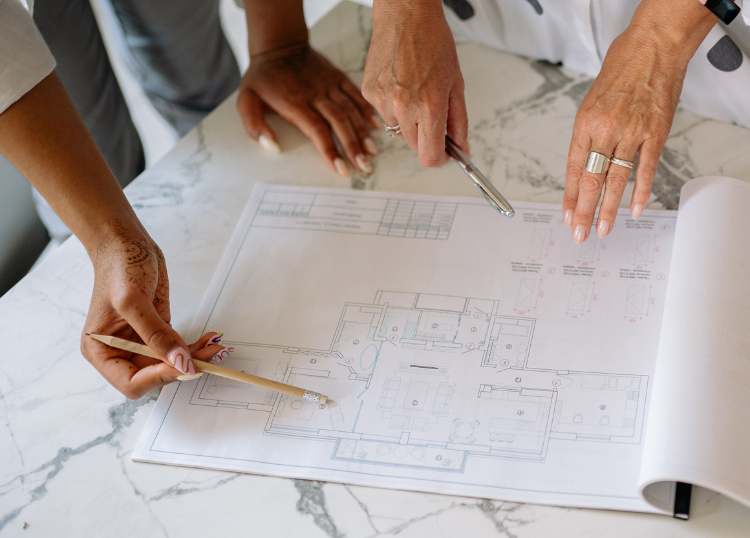
Planning Guest Accommodation for the Festive Season
The festive season often brings extended visits from family and friends. In South Africa, December and January holidays may involve relatives travelling between provinces, families gathering for celebrations or friends staying over during summer breaks. For...

Ventilation Requirements in Frequently Occupied Spaces
Ventilation is an essential consideration in buildings where people spend substantial periods indoors. Offices, classrooms, meeting rooms, healthcare waiting areas and shared residential facilities all depend on suitable air movement and fresh air supply. Without...

Why Phasing Matters on Large Urban Developments
Large urban developments are rarely completed all at once. A new mixed-use precinct may include residential buildings, offices, retail space, public areas, transport connections and supporting infrastructure. Each component has its own design requirements,...

Documenting Buildings Before Summer Renovation Work
Summer is a popular period for building renovations. Longer daylight hours, seasonal holidays and planned business shutdowns can create opportunities to complete alterations that would be difficult during normal operations. Homeowners may schedule extensions, roof...

Designing Comfortable Walking Routes in Hot Weather
A walking route may look convenient on a plan but become difficult to use during hot weather. The distance between two destinations might be short, yet pedestrians may avoid the journey because the pavement is exposed to direct sunlight, surrounding surfaces retain...

Designing Reception Areas That Reduce Confusion
The first few moments inside a building can determine how comfortable a visitor feels. Someone entering an unfamiliar office, medical practice, hotel or commercial facility usually has a few immediate questions. Where should they go? Do they need to check in? Is there...
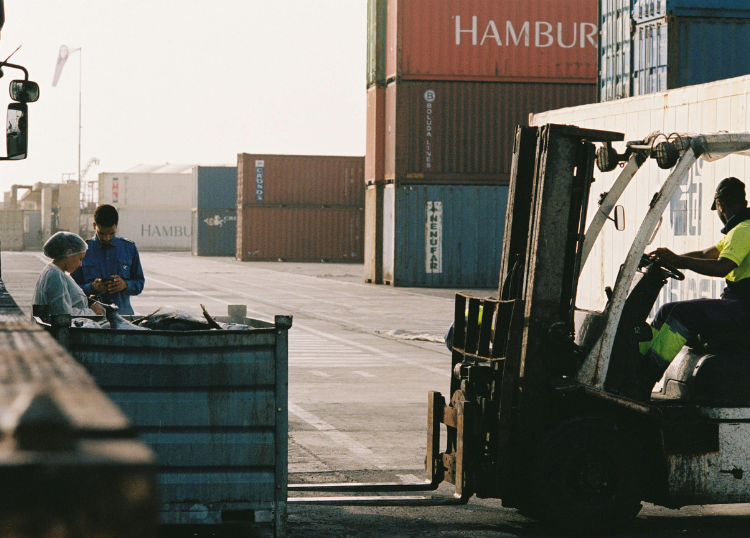
Planning Loading, Deliveries, and Customer Movement Together
A commercial development must accommodate more than the people who visit it. Goods need to arrive, waste must be collected, suppliers require access and service vehicles need somewhere to stop. At the same time, customers expect convenient parking, clear entrances and...

Solar Control Without Sacrificing Natural Light
Natural light can make a room feel open, welcoming and connected to its surroundings. It also reduces the need for artificial lighting during suitable daylight hours. However, sunlight entering a building brings more than illumination. Direct solar radiation can...

How Cross-Ventilation Improves Residential Comfort
A comfortable home depends on more than the temperature shown on a thermostat. Air movement, humidity, sunlight, building materials and the way rooms are arranged all influence how a space feels. A room may become uncomfortable even when outdoor conditions are...

How Changes During Construction Affect Approved Plans
Construction projects rarely proceed without adjustments. A property owner may decide to enlarge a room, reposition a window or change the arrangement of internal spaces. Contractors may encounter unexpected site conditions that require modifications to the original...

The Business Case for Shaded Public Space
A public square may have attractive paving, carefully positioned seating and a strong connection to surrounding buildings. Yet if the space becomes uncomfortably hot for much of the day, people may avoid it. The same problem affects exposed pedestrian routes,...

Designing Transport-Oriented Communities With Lower Carbon Impact
The way a neighbourhood is designed influences how people travel every day. When homes are far from workplaces, shops, schools and public transport, residents may have little choice but to rely on private vehicles. Longer journeys increase transport costs, place...

Pool, Patio, and Entertainment Areas That Work as One
A swimming pool, patio and entertainment area can each be attractive on their own without necessarily working well together. The pool may be positioned at the far end of the garden. The patio might receive too much afternoon sun. A built-in braai could be located...

Compliance Considerations for Temporary Event Structures
Temporary structures are a familiar part of festivals, corporate functions, exhibitions, markets and outdoor celebrations. Marquees provide shelter, stages accommodate performances and temporary platforms create usable space where permanent facilities are unavailable....

How Developers Can Reduce Approval Delays
Approval delays can have a significant effect on property development projects. A delayed land use decision may prevent the next design stage from proceeding. An incomplete building plan submission can hold up construction. An outstanding specialist report may affect...
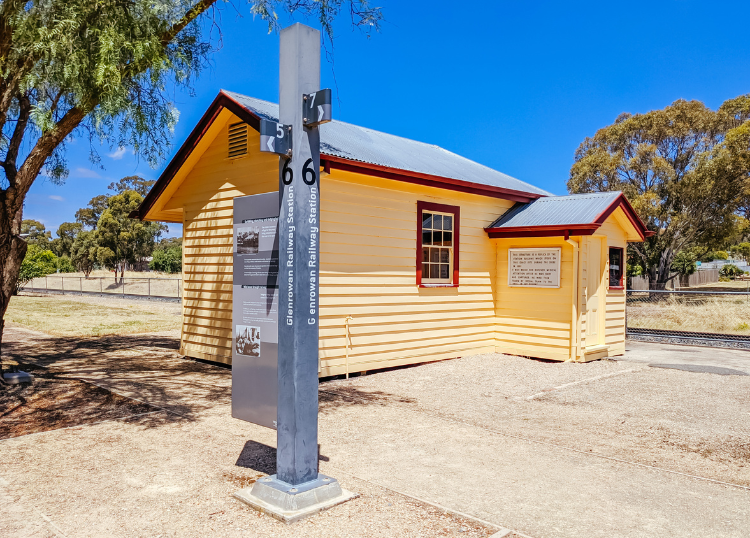
How Old Railway Precincts Can Support New Urban Uses
Old railway precincts often occupy an unusual position in a city. They may sit close to established business districts, residential neighbourhoods and important transport routes, yet remain physically separated from the surrounding urban environment. Some still...
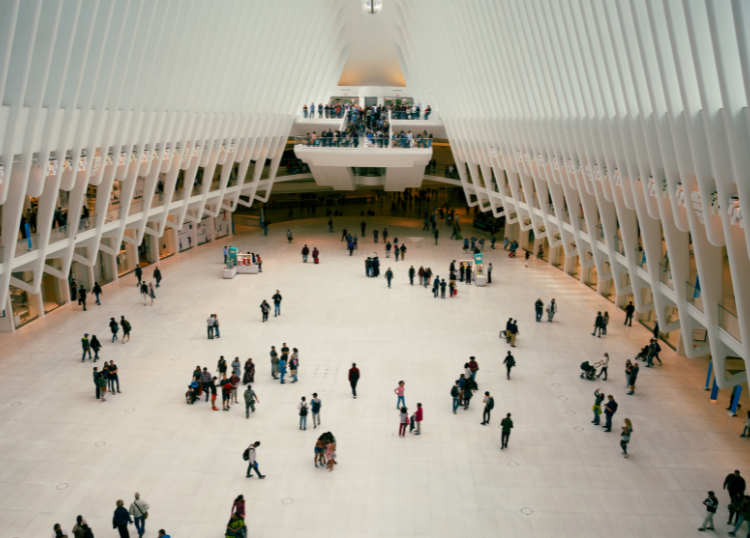
How Transit Hubs Can Become Safer Public Places
A public transport hub can be one of the busiest places in a city. Commuters arrive before sunrise, passengers wait between services, informal traders serve customers and pedestrians move through the surrounding streets. These activities make transport interchanges...
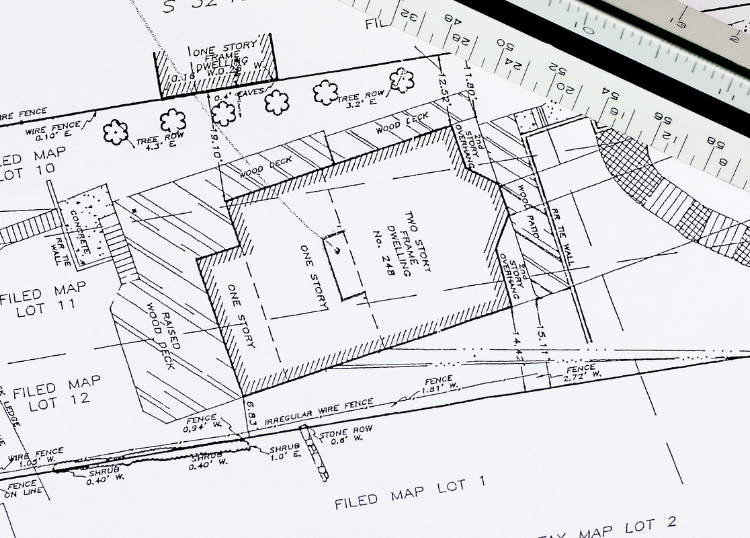
Building Plan Approval: Common Submission Gaps
Building plan approval is sometimes treated as an administrative step that happens after the design is finished. In practice, approval requirements can influence the design much earlier. Property restrictions, planning controls, building regulations and site...

Planning Retail Developments for Changing Shopping Patterns
Retail development has always responded to how people live, travel and spend money. What is changing is the range of reasons people now have for visiting physical retail spaces. Some purchases can be completed online without entering a shop. Customers can compare...

Protecting Original Details During Building Upgrades
Older buildings often need to change if they are going to remain useful. Electrical systems may need replacement. Plumbing can become outdated. Roofs require repair, accessibility may need attention and interiors sometimes have to accommodate completely different...

Designing Inclusive Parks for Different Ages and Abilities
A park can technically be open to everyone while still being difficult for many people to use. A steep path may exclude someone using a wheelchair. A playground designed only for energetic school-age children offers little to toddlers or children with different...
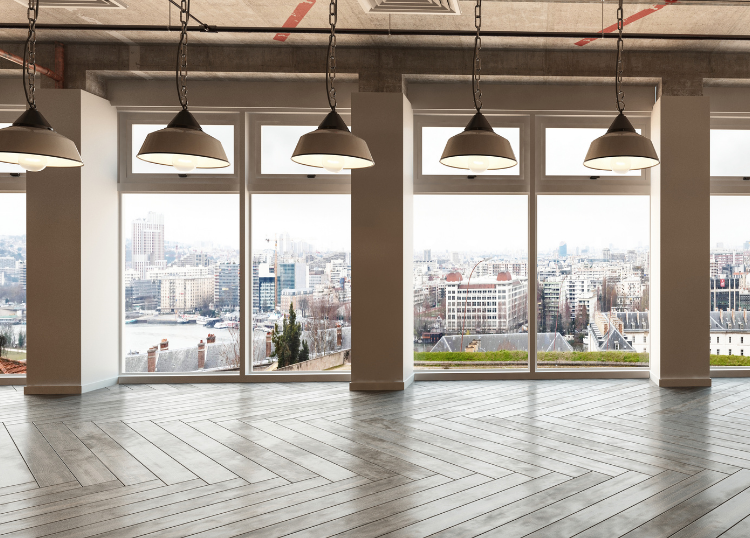
Using Local Craft in Contemporary Interior Architecture
Contemporary interiors do not need to look internationally interchangeable. A hotel in Cape Town, restaurant in Johannesburg and lodge in the Lowveld may use similar materials, furniture and lighting if every decision comes from the same global catalogue of products....
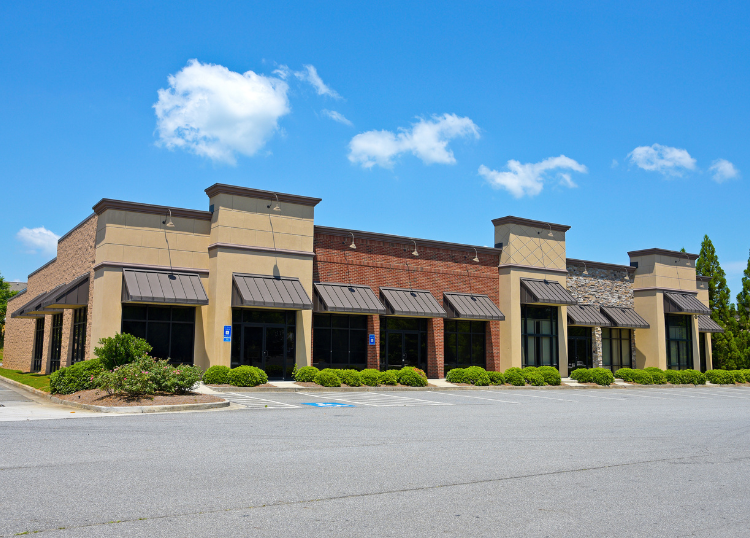
Making Commercial Buildings More Welcoming From the Street
A commercial building does not begin at the reception desk. For someone approaching from the street, the experience starts at the property boundary. They notice whether the entrance is obvious, whether the pedestrian route feels comfortable, whether the frontage...
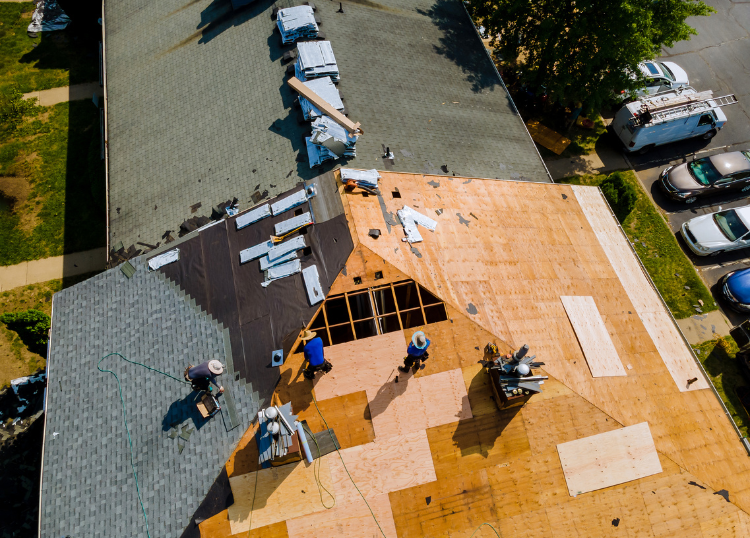
Reducing Heat Gain Through Roof and Glazing Choices
Keeping a building comfortable during hot weather is not only about installing a larger air-conditioning system. The building envelope determines how much outside heat reaches the interior in the first place. Roofs receive substantial solar exposure, while windows can...
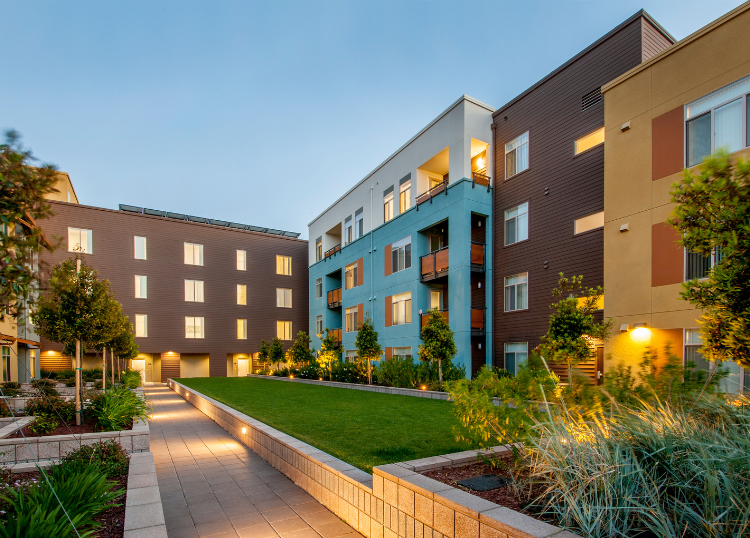
Making Better Use of Courtyards and Side Spaces
Not every useful outdoor space needs to be a large garden. Many homes and other properties contain smaller areas that receive far less attention. There may be a narrow passage between the house and boundary wall, a paved courtyard outside the kitchen or an enclosed...
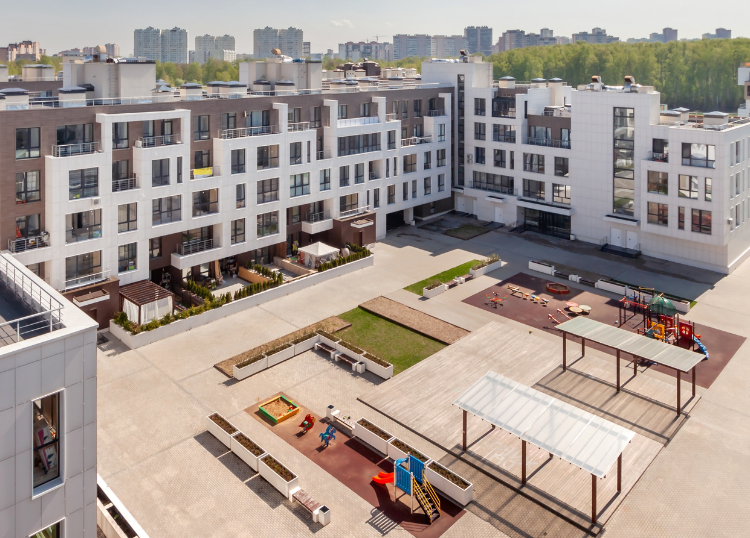
Planning Mixed-Use Projects Around Everyday Convenience
Mixed-use development is often described in terms of the different functions placed on one site. Apartments may sit above shops. Offices might share a precinct with restaurants, services and public spaces. A larger project could combine residential, commercial,...

Connecting Neighbourhoods With Better Pedestrian Routes
Two neighbourhoods can sit next to each other on a map while remaining surprisingly difficult to move between on foot. A major road may separate them. A railway line may provide only a few crossing points, or a pedestrian route may simply end where one development...
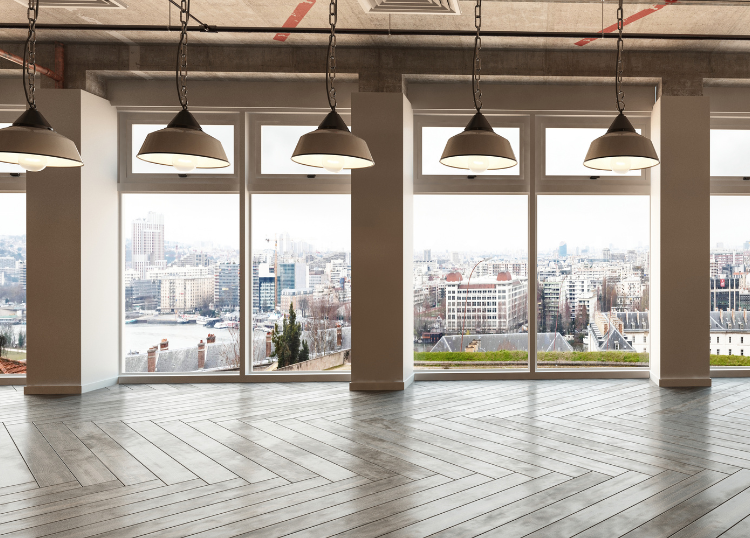
Acoustic Planning for Open Commercial Spaces
Open commercial interiors can serve many purposes. An office may use an open floor to support communication between teams. A restaurant may want a lively atmosphere, while a showroom or shared customer area may need clear sightlines across a large space. Removing...
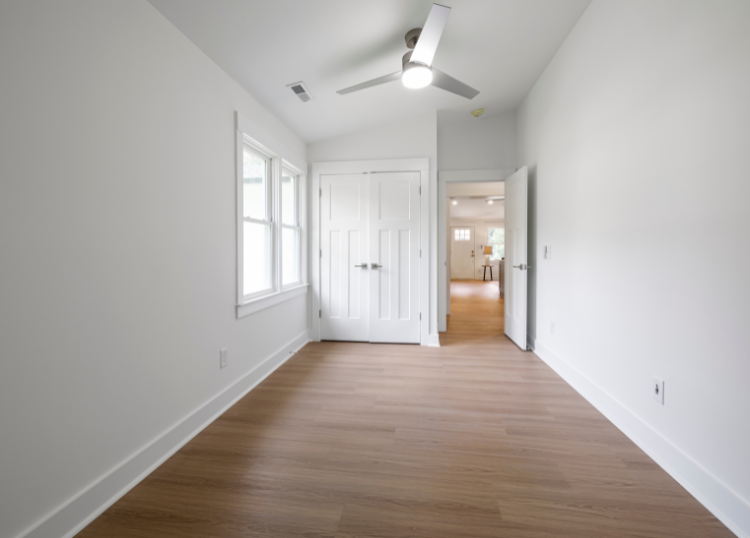
Natural Ventilation Strategies for Offices in Spring
Spring can create a useful period between the closed-up conditions of winter and the higher cooling demands of summer. On suitable days, outdoor temperatures may allow offices to rely more on open windows and other forms of natural ventilation. Opening a few windows,...

How Permeable Surfaces Manage Stormwater
Rain behaves differently once land is developed. On natural or lightly developed ground, some rainfall can soak into the soil. Vegetation intercepts water, and uneven surfaces can slow the rate at which it moves. Replace that ground with roofs, roads, parking areas...
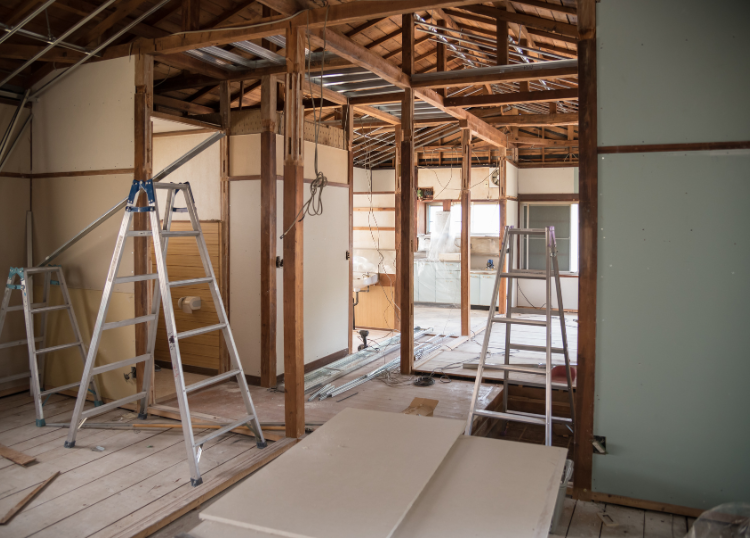
Planning a Renovation Before the Festive-Season Rush
The weeks before the festive season can seem like an ideal time to finish work around the house. Perhaps family will be visiting in December. You may want a kitchen completed before entertaining begins, a guest room ready for visitors or an outdoor area repaired...

Understanding Building Lines, Servitudes, and Site Restrictions
A property boundary tells you where a site begins and ends. It does not necessarily tell you where you can build. Building lines may limit how close a structure can sit to a boundary. A servitude may cross a portion of the property, while zoning controls can affect...
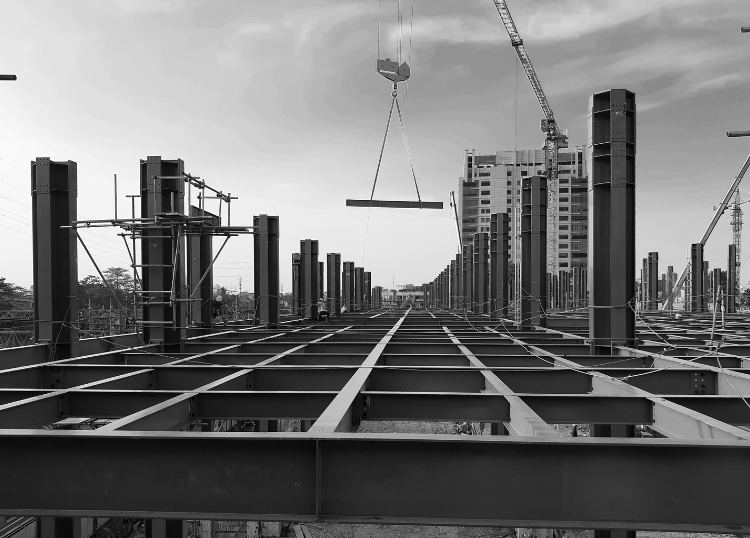
Why Development Feasibility Must Include Infrastructure Costs
A development opportunity can look attractive when the initial calculations focus on land, construction costs and expected selling prices or rental income. Then the infrastructure requirements become clearer. The site may need substantial road improvements. Existing...

How Cultural Context Can Guide Contemporary Design
Contemporary design is sometimes treated as though new buildings need to separate themselves from what came before. A project is expected to look current, use new technology and respond to present-day requirements. Cultural references can then be treated as something...

Why Urban Trees Need to Be Planned as Infrastructure
Cities depend on infrastructure that most people barely notice until it stops working. Roads provide movement. Stormwater systems manage runoff. Electricity, water and communications networks support homes and businesses. Pavements make streets usable for pedestrians....

Spring Material Palettes for South African Interiors
Spring often changes how an interior feels before anything inside the room has changed. Days become longer, windows stay open more often and stronger natural light reveals colours and textures differently. Materials that felt warm and comfortable through winter can...

Planning Commercial Alterations Without Disrupting Operations
Altering a commercial building while the business continues operating creates a very different project from renovating an empty property. Construction teams need access to work areas. Employees still need places to work. Customers may continue arriving. Deliveries...

Choosing Landscaping That Uses Less Water
A beautiful garden does not necessarily need large amounts of irrigation. How much water a landscape requires is influenced by far more than the plants themselves. Soil, sun exposure, wind, lawn area, irrigation methods and the way different plants are grouped can all...

How Shading Improves Summer Comfort at Home
Keeping a home comfortable during summer is not only about cooling the air once the interior becomes hot. It is also about limiting how much unwanted heat enters in the first place. Sunlight striking roofs, walls and particularly windows can contribute to rising...

Planning for Fire Safety From the Start
Fire safety is sometimes treated as a technical layer that can be added once the main building design is substantially complete. In practice, many fire safety requirements are closely connected to the architecture itself. The number and position of escape routes can...

Turning Market Research Into a Stronger Development Brief
Market research can produce a large amount of information about an area: selling prices, rentals, competing developments, vacancy levels, buyer profiles, household trends and popular property types. Collecting the information is only the first step. For a property...