by Krystal Brassey | Sep 29, 2026 | Architecture
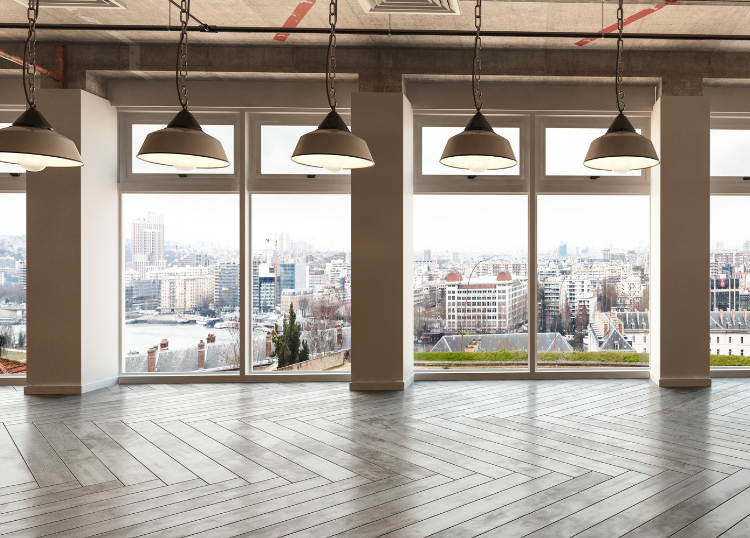
Contemporary interiors do not need to look internationally interchangeable. A hotel in Cape Town, restaurant in Johannesburg and lodge in the Lowveld may use similar materials, furniture and lighting if every decision comes from the same global catalogue of products....
by Krystal Brassey | Sep 29, 2026 | Architecture
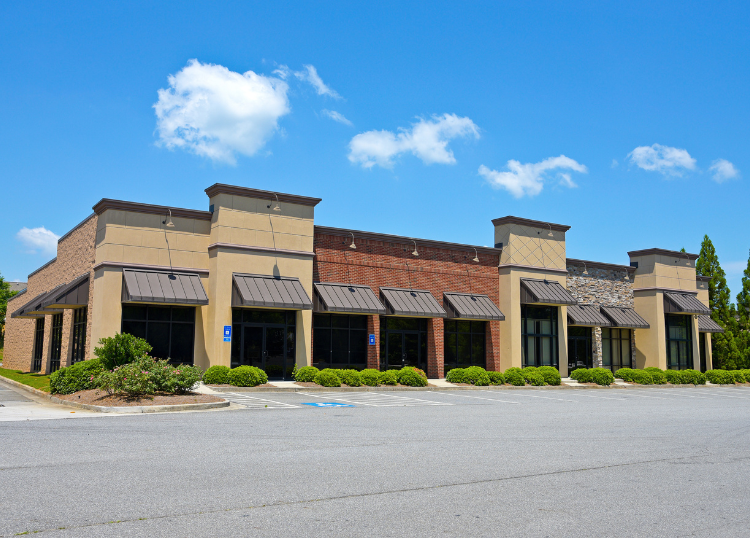
A commercial building does not begin at the reception desk. For someone approaching from the street, the experience starts at the property boundary. They notice whether the entrance is obvious, whether the pedestrian route feels comfortable, whether the frontage...
by Krystal Brassey | Sep 28, 2026 | Architecture
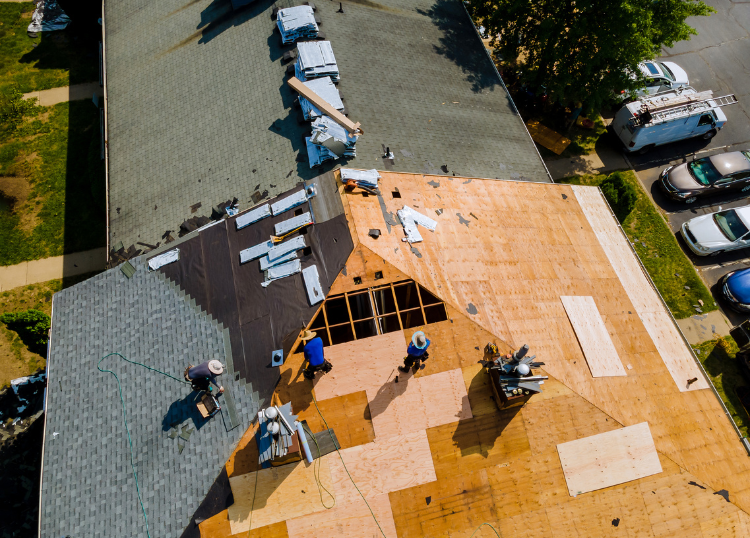
Keeping a building comfortable during hot weather is not only about installing a larger air-conditioning system. The building envelope determines how much outside heat reaches the interior in the first place. Roofs receive substantial solar exposure, while windows can...
by Krystal Brassey | Sep 28, 2026 | Architecture
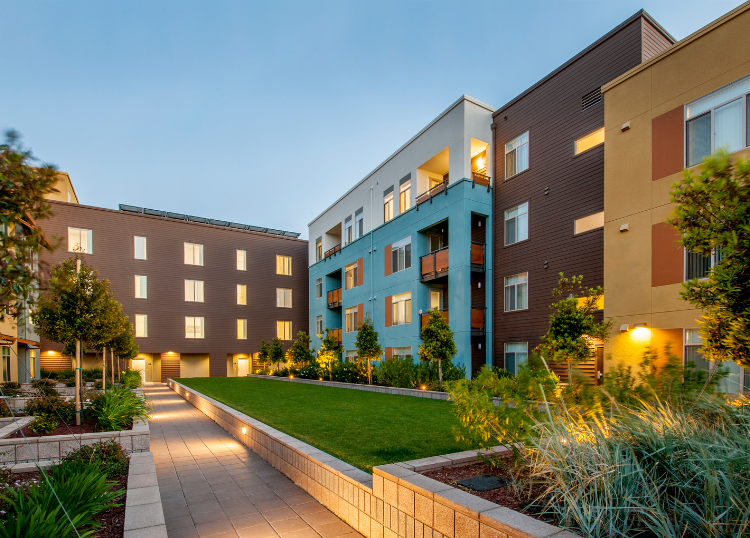
Not every useful outdoor space needs to be a large garden. Many homes and other properties contain smaller areas that receive far less attention. There may be a narrow passage between the house and boundary wall, a paved courtyard outside the kitchen or an enclosed...
by Krystal Brassey | Sep 28, 2026 | Architecture
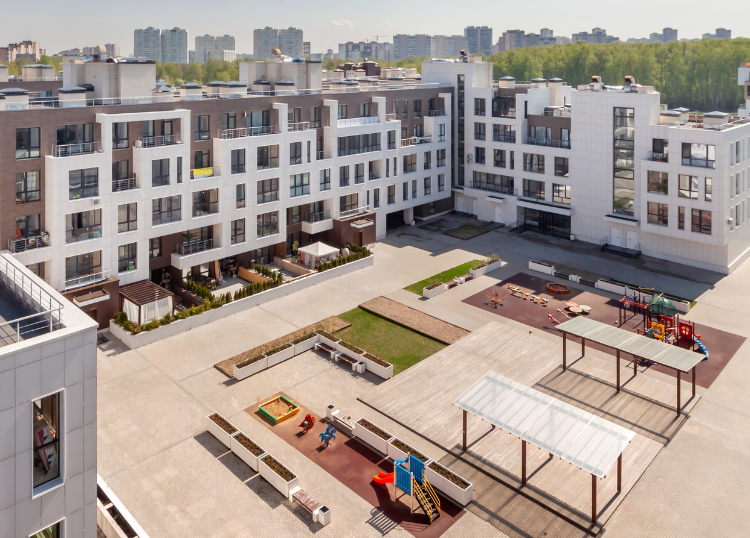
Mixed-use development is often described in terms of the different functions placed on one site. Apartments may sit above shops. Offices might share a precinct with restaurants, services and public spaces. A larger project could combine residential, commercial,...

by Krystal Brassey | Sep 28, 2026 | Architecture
Two neighbourhoods can sit next to each other on a map while remaining surprisingly difficult to move between on foot. A major road may separate them. A railway line may provide only a few crossing points, or a pedestrian route may simply end where one development...
