

Circular Design Principles in Modern Architecture
Buildings are usually designed around a beginning. A client identifies a need. Architects develop a solution. Materials arrive on site. Construction takes place, and eventually the building is occupied. Circular design asks architects to think much further ahead. What...
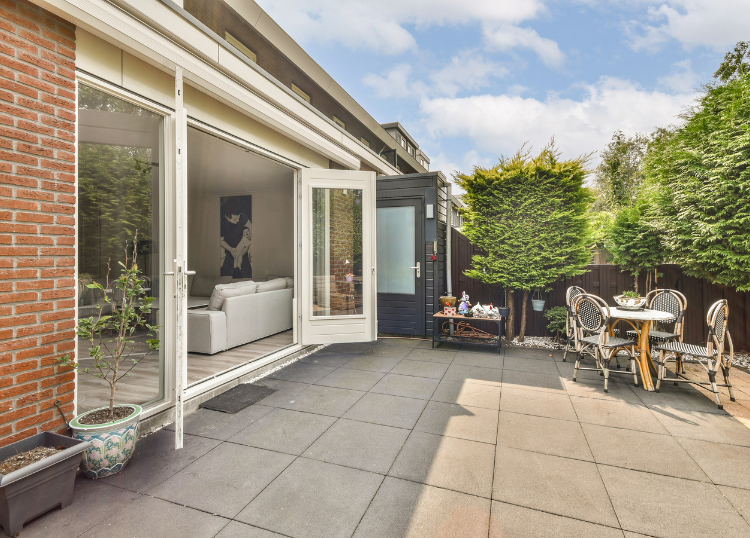
The Hidden Value of Well-Designed Outdoor Living Spaces
The most valuable room in a house is not always inside it. A shaded patio where the family eats dinner, a quiet courtyard outside a bedroom or a sheltered terrace overlooking the garden can become part of everyday life in ways that are difficult to measure purely in...

Digital Technology in Heritage Documentation
Historic buildings and sites are never completely static. Materials weather. Structures move. Alterations are made. Natural disasters, development pressure, neglect and climate conditions can all affect heritage places over time. That makes accurate documentation...

Transit-Oriented Developments Explained
A railway station, bus interchange or rapid-transit stop can do more than move people from one place to another. It can become the centre of a neighbourhood. Transit-oriented development, commonly shortened to TOD, is an approach to urban planning that concentrates...
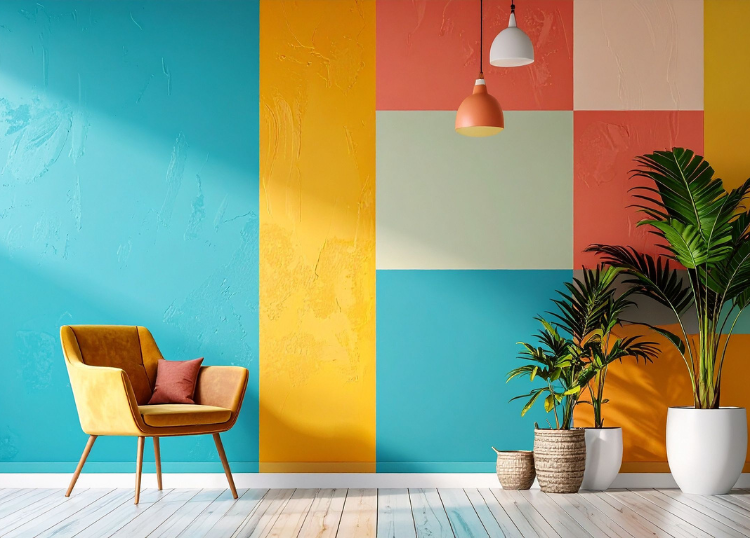
The Role of Colour in Commercial Interior Design
Walk into two businesses offering similar products or services and the interiors can create completely different impressions before anyone speaks to you. One may feel calm and restrained. Another may feel energetic and informal. A third may communicate precision,...
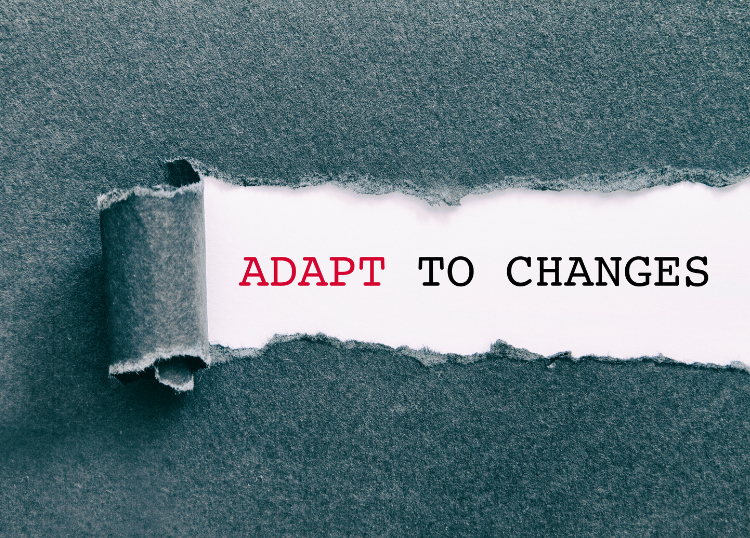
Designing Buildings That Can Adapt to Multiple Uses
A building may begin life as an office and eventually become apartments. A warehouse could later contain studios, workshops or retail space. A school building may need to accommodate different teaching methods, while a commercial property might serve several very...

Climate-Responsive Design Principles for Southern Africa
A building in Cape Town shouldn't necessarily respond to climate in the same way as one in Johannesburg, Durban, Windhoek or Gaborone. Even within the same country, differences in temperature, rainfall, humidity, wind, altitude and solar exposure can be substantial....
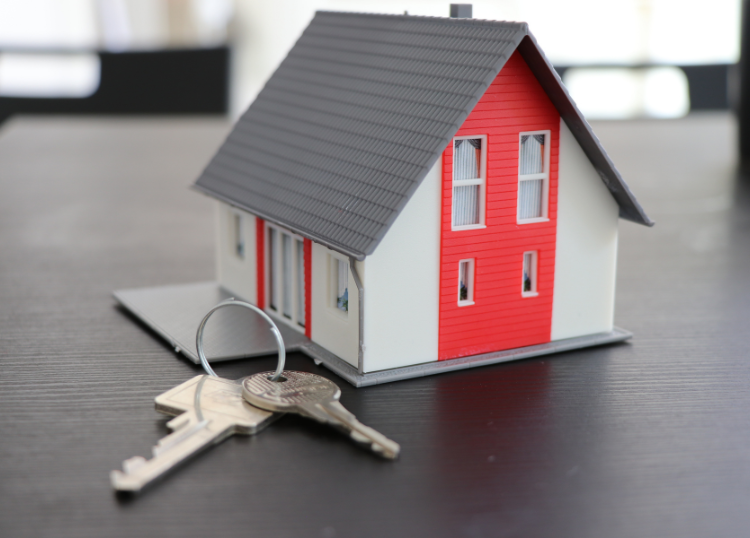
Architecture That Increases Property Resale Value
Property value is influenced by factors an architect cannot change. Location, neighbourhood demand, interest rates, local infrastructure, security, plot size, and broader market conditions can all affect what buyers are prepared to pay. Architecture still matters. Two...

Environmental Compliance During Construction Projects
Construction sites are busy environments. Earthworks change natural ground levels. Heavy vehicles move materials. Waste accumulates. Dust and noise are generated. Fuel and chemicals may be stored on site, while rain can carry loose soil and contaminants into...
Why Infrastructure Determines Development Success
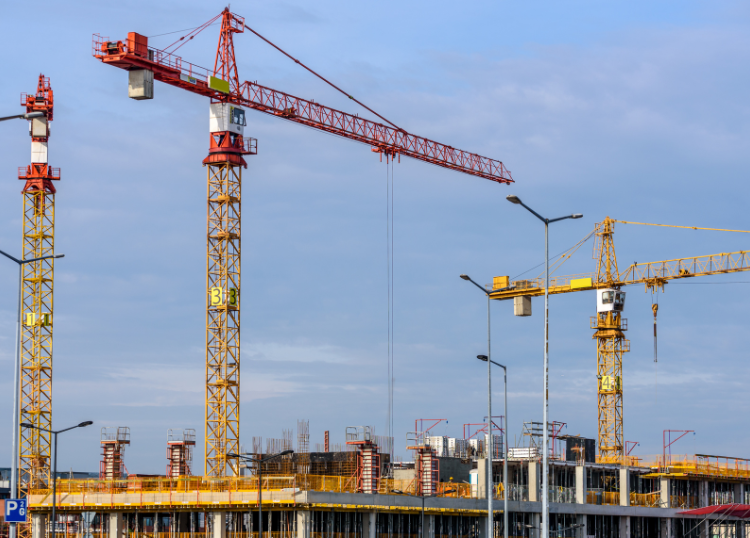
Property development is often discussed in terms of land, location, design, construction costs, and market demand. Underlying all of those considerations is another factor that can determine whether a project is viable at all: infrastructure. A development needs more...
Integrating New Architecture Into Historic Precincts
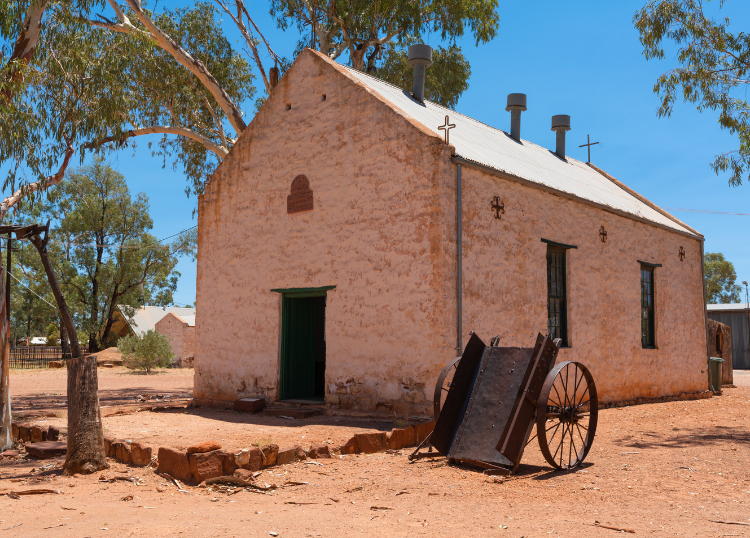
Building something new in a historic precinct presents architects with a difficult question: how should contemporary architecture relate to buildings created decades or even centuries earlier? Copy the historic architecture too closely and the result can become an...
The Importance of Human-Centred Urban Design
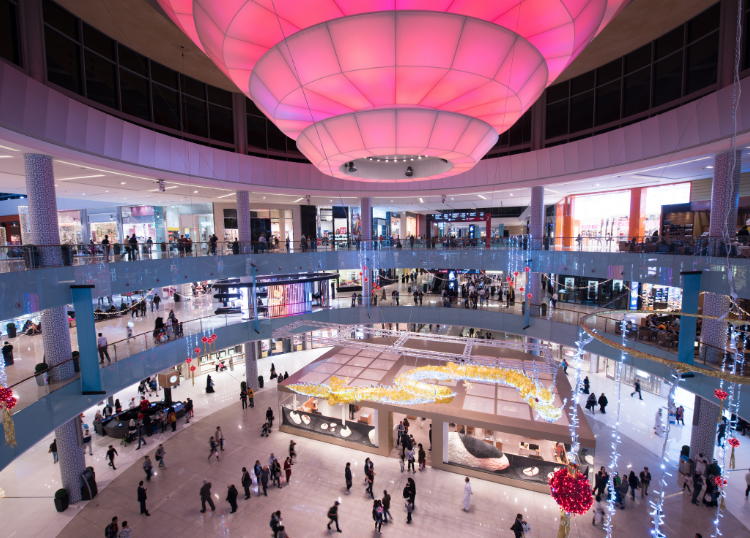
A city can look impressive from above and still be uncomfortable at street level. Wide roads may move vehicles efficiently while making it difficult for pedestrians to cross. Large public squares can appear striking in architectural drawings but remain empty if they...
Material Selection for High-Traffic Commercial Interiors
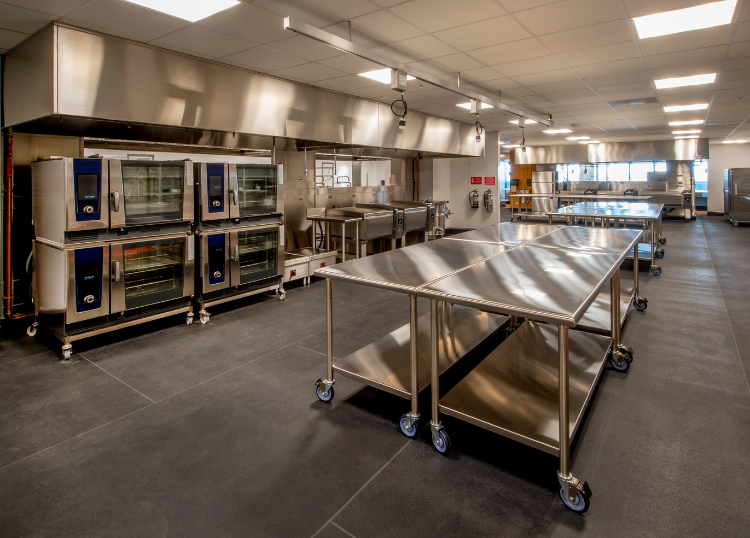
A floor finish that performs perfectly in a private office may struggle at the entrance to a busy shopping centre. A beautiful countertop can quickly become frustrating if it stains easily in a restaurant, while an impressive wall finish may lose its appeal when it is...
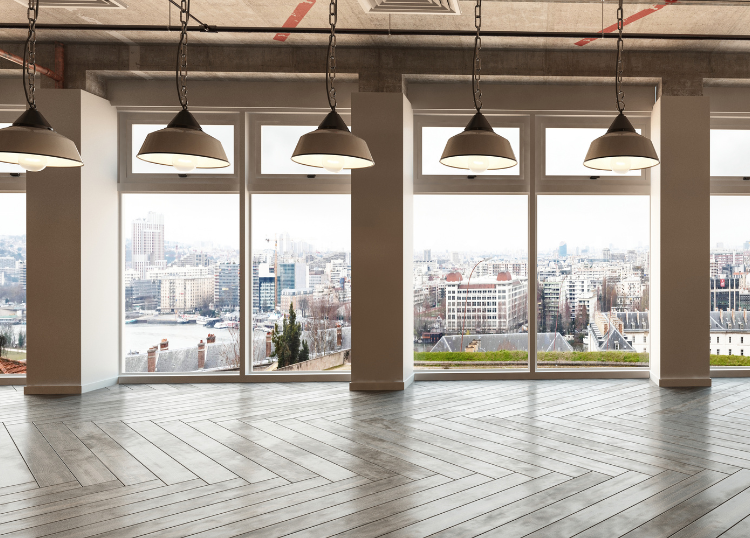
The Rise of Flexible Commercial Spaces
Commercial buildings were once commonly designed around relatively fixed assumptions. Offices had permanent desks and enclosed departments. Retail units had clearly defined layouts. Warehouses, studios, and other commercial properties were often created for a...

Solar Orientation: One Decision That Impacts Everything
Before the windows are selected, shading is designed, or rooms are arranged, one fundamental decision can influence almost every aspect of a building's performance: its orientation. The sun doesn't affect every side of a building equally. Different façades receive...
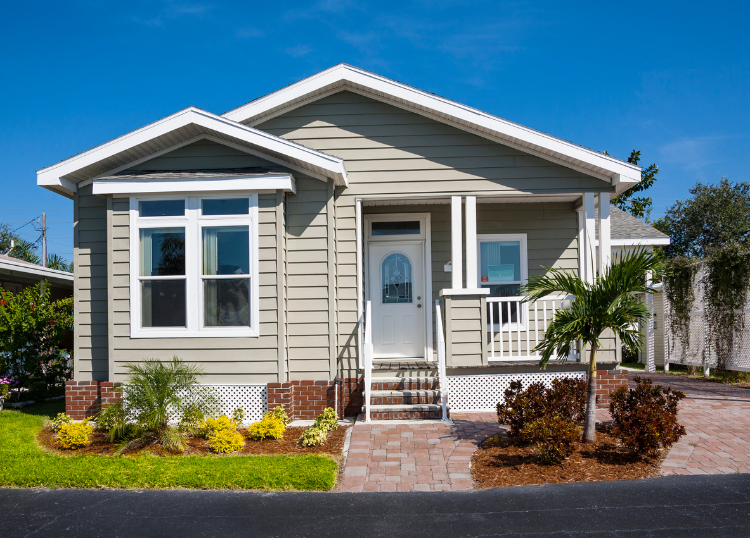
Designing Smaller Homes Without Sacrificing Comfort
Bigger isn't always better when it comes to residential design. Rising construction costs, smaller urban sites, changing household needs, and a growing interest in more efficient living are encouraging homeowners and architects to reconsider how much space a...
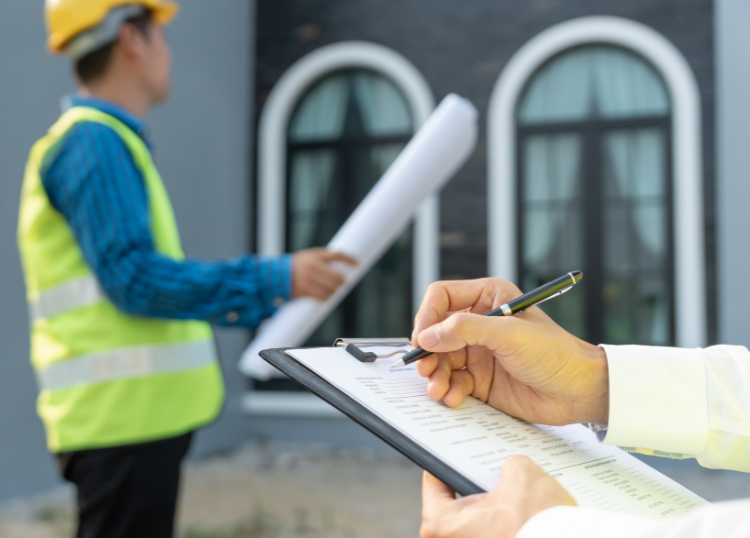
Common Compliance Issues Found During Inspections
Building regulations and approval processes exist to help ensure properties are safe, suitable for their intended use, and constructed according to applicable requirements. Even so, compliance problems can arise during new construction, renovations, property...

Risk Management During Property Development Projects
Every property development carries some degree of uncertainty. Land conditions may differ from expectations, construction costs can change, approvals may take longer than planned, and market conditions can shift before a project reaches completion. Risk cannot be...
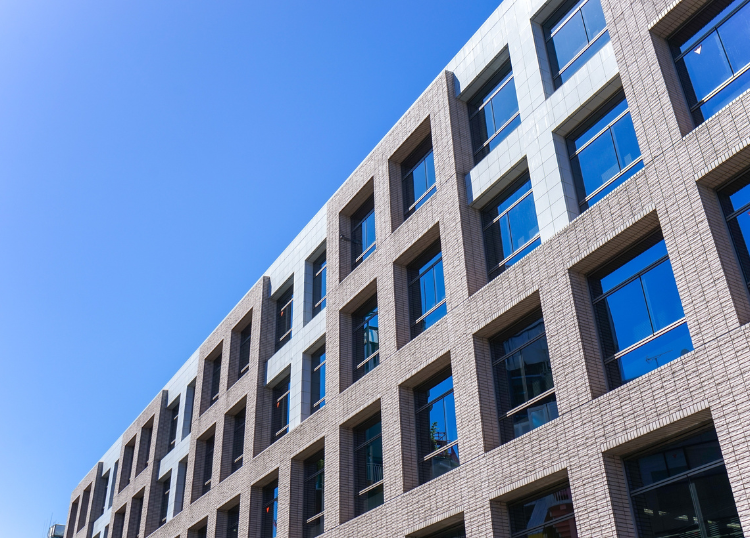
Lessons Modern Architects Can Learn From Historic Buildings
Modern architecture has access to materials, engineering methods, software, and construction technologies that previous generations could never have imagined. Yet older buildings still have plenty to teach today's architects. Many historic buildings were designed...
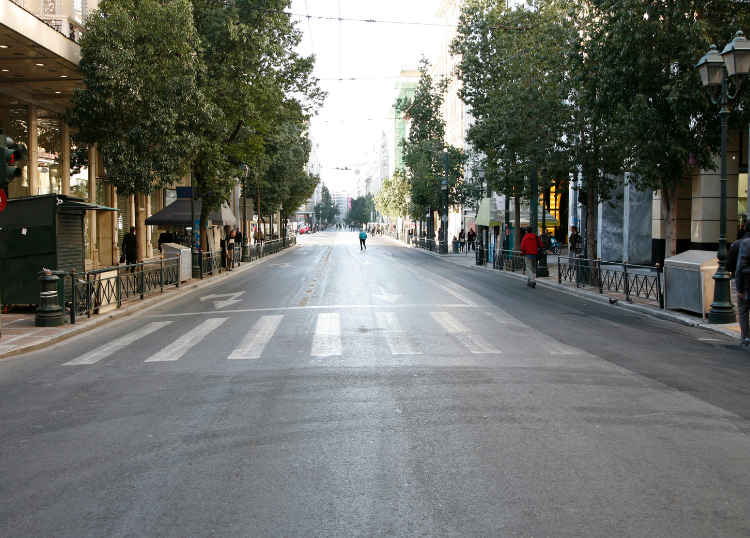
Why Street Activation Matters in Urban Planning
A street can be technically functional and still feel unwelcoming. Wide pavements, attractive buildings, and good infrastructure matter, but successful urban environments also need activity at ground level. Street activation refers to the ways buildings, public...

Biophilic Design Beyond Indoor Plants
When people hear the term biophilic design, they often picture offices filled with potted plants or homes featuring indoor greenery. While vegetation certainly plays a role, biophilic design is a much broader architectural approach that seeks to reconnect people with...
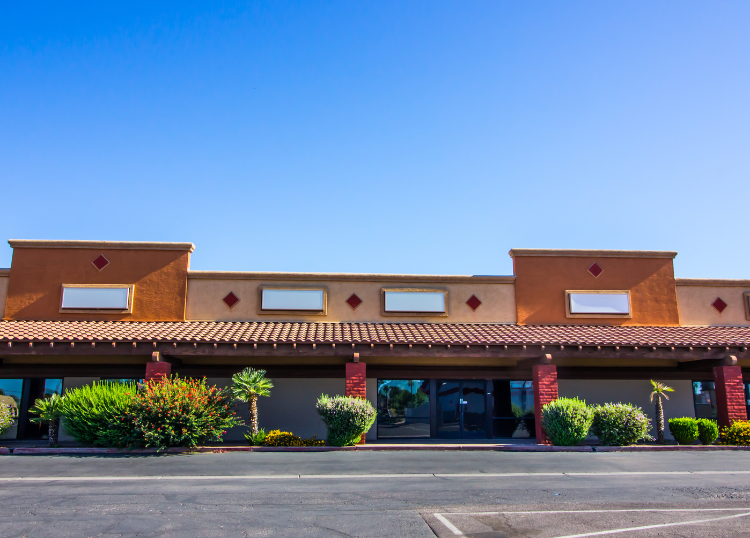
How Architecture Supports Retail Customer Experience
While product quality and customer service remain essential, the physical environment also plays a significant role in shaping the retail experience. From the moment customers approach a store, architecture influences their first impression, guides their movement, and...

Embodied Carbon: The Next Big Topic in Construction
For many years, sustainable building design focused primarily on reducing the energy a building consumes once it is occupied. While energy efficiency remains important, the construction industry is increasingly recognising another major contributor to a building's...
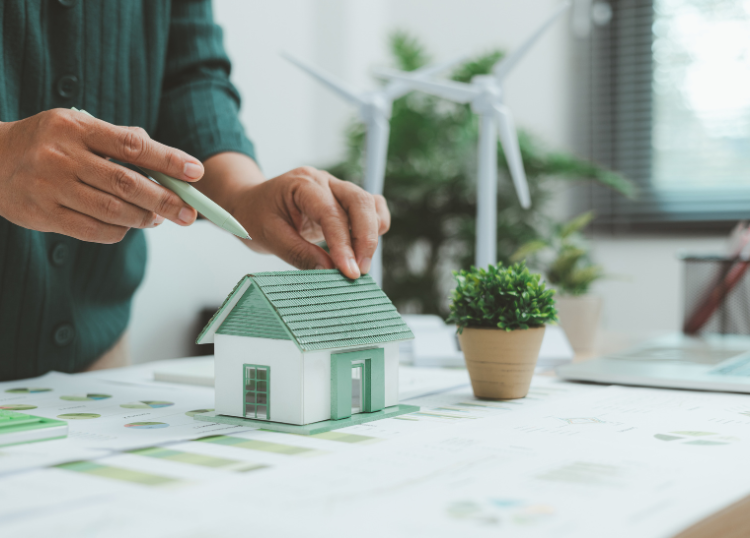
Future-Proofing Homes for Changing Family Needs
A home is one of the biggest long-term investments most people will make. While it's natural to focus on your current lifestyle, thoughtful planning can ensure your home continues to meet your family's needs as circumstances change. Whether you're building a new home...
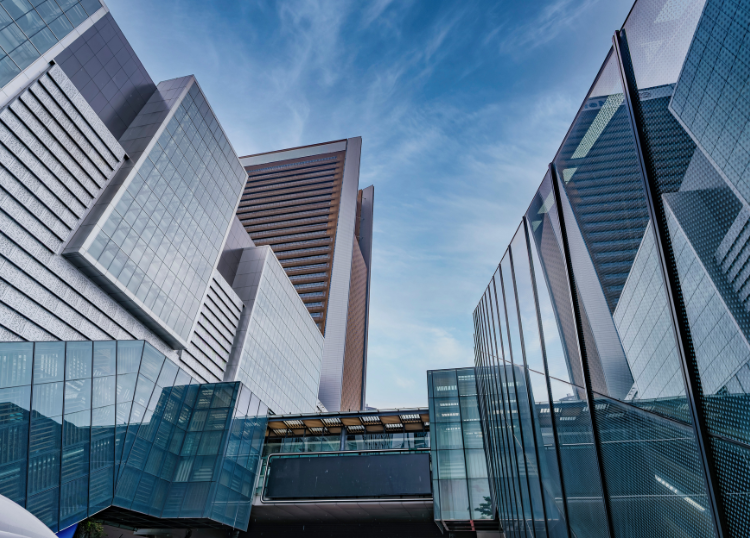
Accessibility Requirements in Modern Buildings
Accessibility is a fundamental part of good building design. Whether developing a residential complex, office building, retail centre, healthcare facility, or public space, creating environments that can be used comfortably by as many people as possible benefits both...

Brownfield vs Greenfield Developments Explained
Developers, investors, and planners often compare brownfield and greenfield sites when evaluating new projects. While both can support successful residential, commercial, or industrial developments, they differ significantly in terms of location, existing...
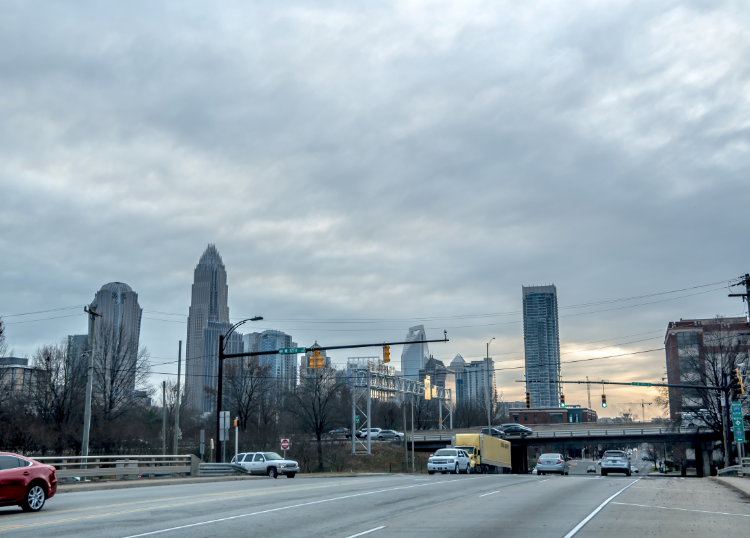
Preserving Architectural Identity in Growing Cities
Cities are constantly evolving to accommodate growing populations, new businesses, and changing lifestyles. New residential developments, commercial buildings, and public infrastructure are essential for supporting economic growth, but rapid urban expansion can...
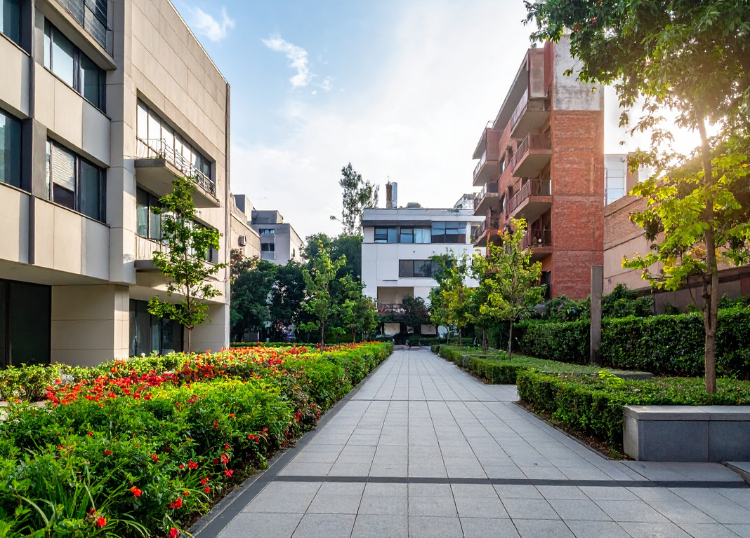
Why Green Spaces Increase Property Values
The quality of the surrounding environment plays an important role in how people perceive a property. While architecture and location remain key factors, access to attractive green spaces has become increasingly important for homeowners, tenants, and investors. From...
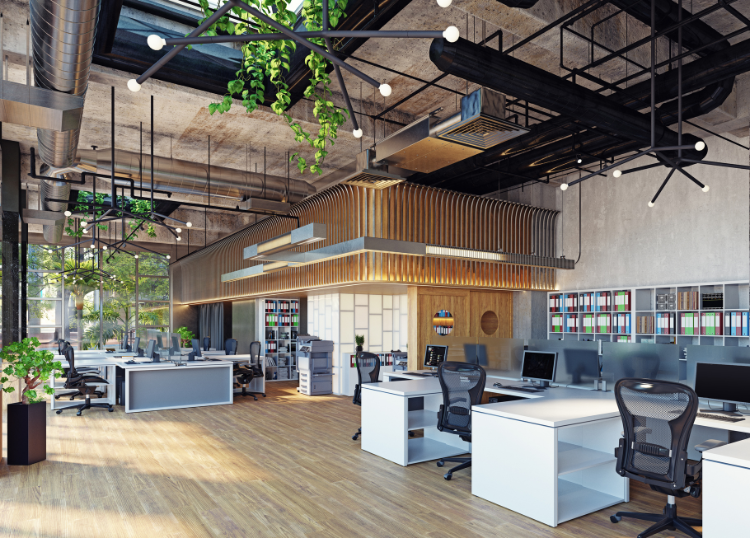
The Psychology of Workplace Layouts
A workplace is more than a collection of desks and meeting rooms. The physical environment influences how people think, communicate, and perform their daily tasks. From lighting and acoustics to furniture placement and circulation routes, every design decision...

Industrial Building Design Trends for Modern Manufacturing
Manufacturing has changed significantly over the past decade. Advances in automation, digital technology, and sustainability have reshaped how factories and industrial facilities operate. As production methods evolve, so too must the buildings that support them....

Thermal Comfort Without Excessive Air Conditioning
Air conditioning has become a common solution for maintaining comfortable indoor temperatures, particularly during hot summers. While effective, relying on cooling systems throughout the day can lead to higher energy costs and increased environmental impact....
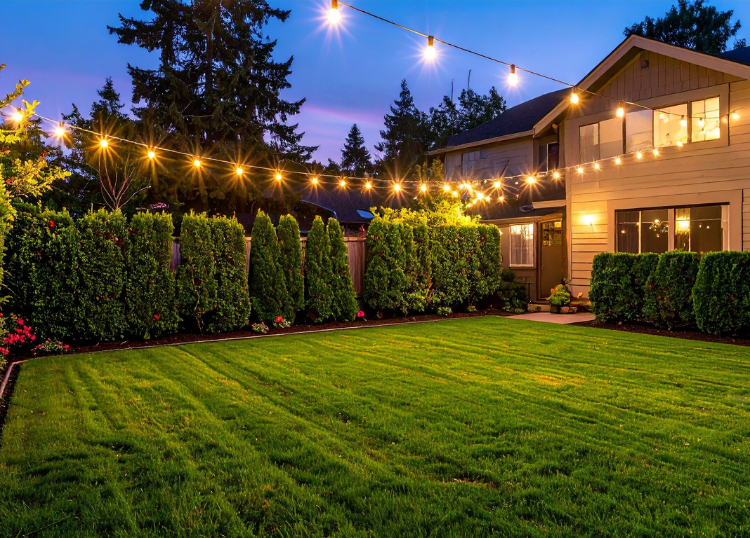
Multi-Generational Home Design Is Making a Comeback
For many years, homes were typically designed around the needs of a single nuclear family. Today, that trend is changing. More families are choosing homes that accommodate parents, grandparents, adult children, and even extended family members under one roof. This...
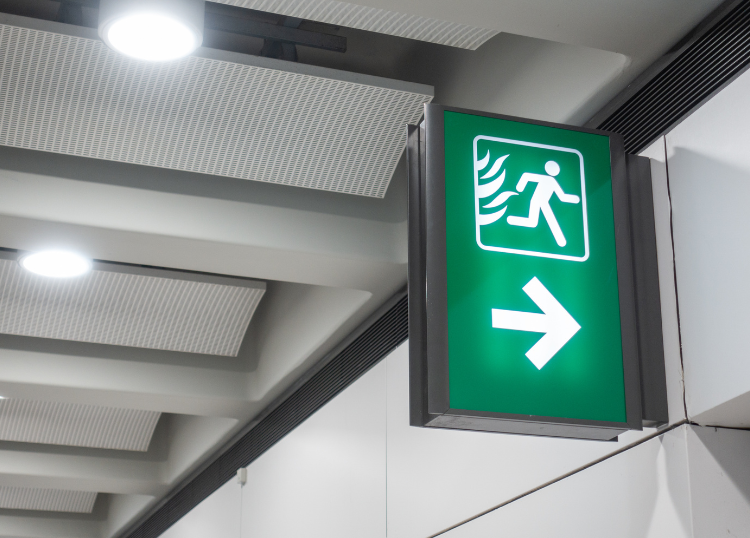
Fire Safety Requirements Every Developer Should Understand
Fire safety is one of the most important considerations in any construction project. From residential developments and office buildings to retail centres and industrial facilities, developers have a responsibility to ensure that buildings are designed with appropriate...
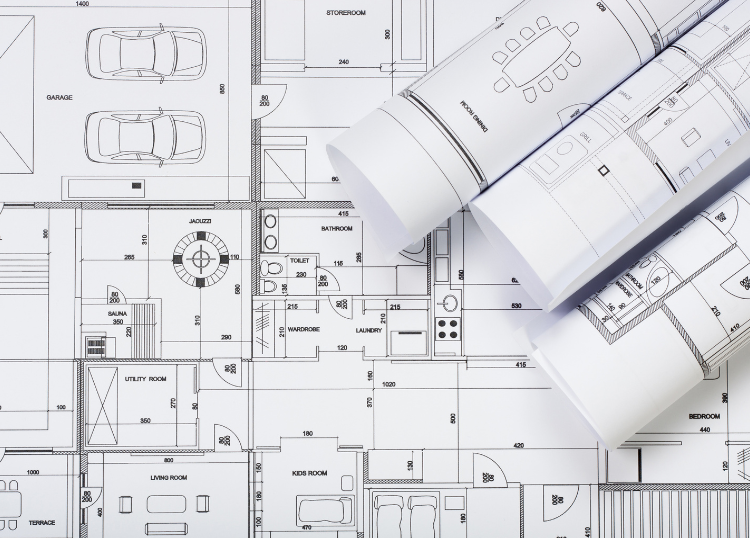
Why Master Planning Determines Project Success
Every successful development starts with careful planning. Whether the project involves a residential estate, commercial precinct, mixed-use development, educational campus, or industrial facility, the decisions made during the planning stage influence the outcome...

The Economic Value of Preserving Historic Buildings
Historic buildings give towns and cities their unique character. From heritage homes and civic buildings to old factories and places of worship, these structures tell the story of a community's past while continuing to serve modern needs. Although preservation is...

Designing Safer Public Spaces Through Architecture
Public spaces play an important role in everyday life. Parks, plazas, streets, transport hubs, and community centres bring people together, support local businesses, and provide places for recreation and social interaction. When these spaces are thoughtfully designed,...

Designing Reception Areas That Create Great First Impressions
A reception area does more than welcome visitors. It introduces your business, reflects your brand, and shapes how clients, suppliers, and potential employees perceive your organisation from the moment they walk through the door. Whether it's a corporate office,...
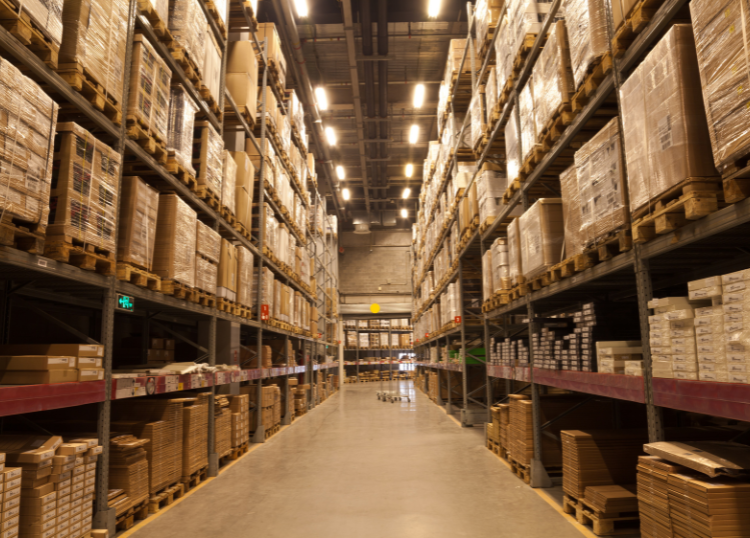
Warehouse Design Trends Driven by E-commerce
The growth of e-commerce has reshaped supply chains around the world. Customers now expect fast deliveries, accurate order fulfilment, and real-time tracking, placing greater demands on warehouses than ever before. Modern warehouse design is no longer focused solely...
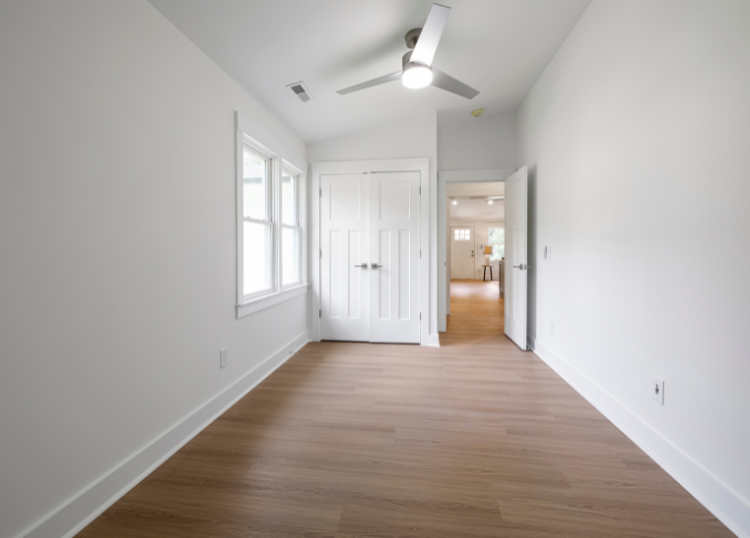
Natural Ventilation Strategies for South African Homes
South Africa's varied climate means homes experience everything from hot summer afternoons to cool winter mornings. While air conditioning and mechanical ventilation have their place, thoughtful home design can make better use of natural airflow to improve comfort and...
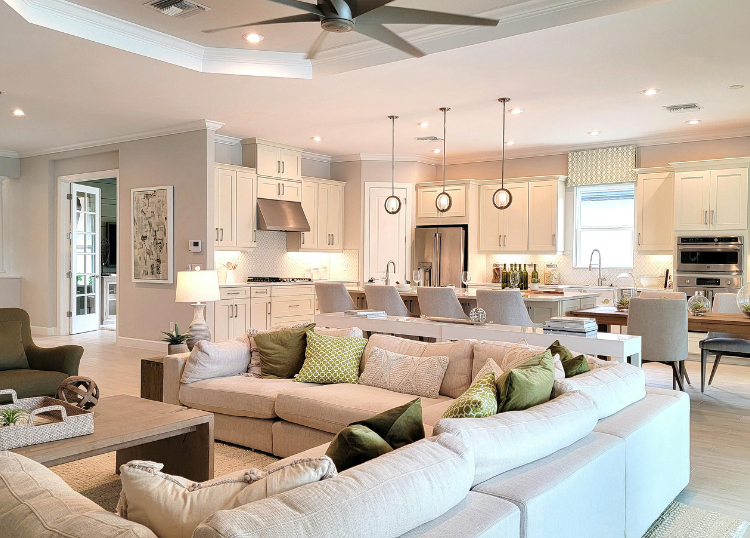
Open-Plan Living: Is It Still Worth It?
Open-plan living has been a popular feature in residential design for many years. By combining the kitchen, dining, and living areas into one large space, this layout creates a sense of openness and encourages interaction between family members and guests. While many...

Understanding Occupancy Certificates
Completing a construction project is a significant milestone, but finishing the building work does not always mean the property is ready to be occupied. Before a new building or certain alterations can be used, the relevant local authority may need to issue an...
Why Feasibility Studies Matter Before Buying Land
Purchasing land can be an exciting opportunity, whether you're planning to build a home, develop commercial property, or invest in future projects. However, a piece of land that appears ideal at first glance may present challenges that only become apparent after the...

Adaptive Reuse: Giving Old Buildings a New Purpose
Cities and towns are constantly evolving, but not every new development needs to begin with demolition. Many older buildings retain solid construction, distinctive architectural features, and historical significance that make them ideal candidates for a second life....
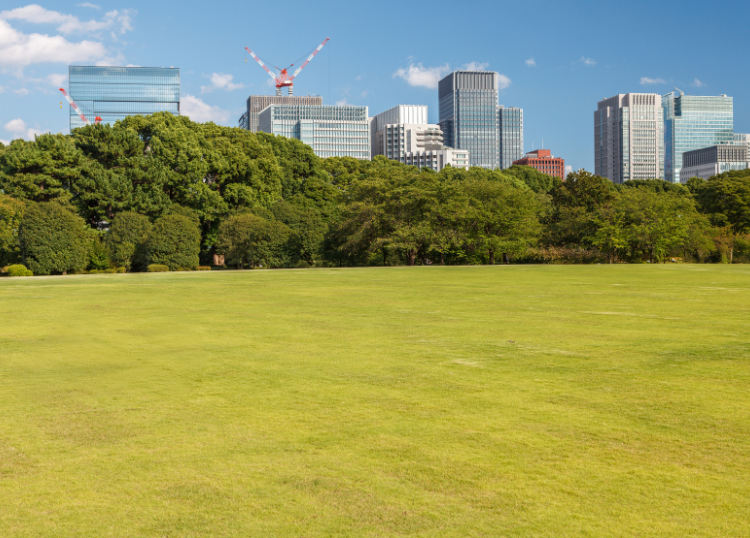
Public Spaces That Bring Communities Together
The best public spaces do more than fill empty land between buildings. They become gathering places where neighbours meet, families spend time together, local businesses benefit from increased foot traffic, and communities build stronger connections. Whether it's a...

Why Lighting Should Be Considered Before Construction Begins
Lighting is one of the most important elements of any building, yet it is often left until late in the construction process. While selecting light fittings may seem like a final design decision, effective lighting starts long before the first walls are built. By...
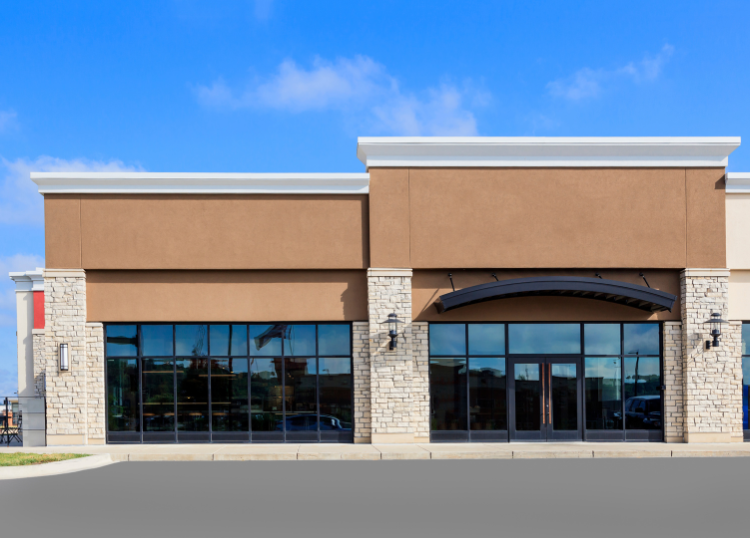
Designing Retail Spaces That Encourage Longer Visits
The design of a retail space has a significant influence on customer behaviour. While product selection and pricing remain important, the physical environment can determine how long customers stay, how easily they find products, and whether they return in the future....
Water-Wise Building Design Beyond Rainwater Tanks
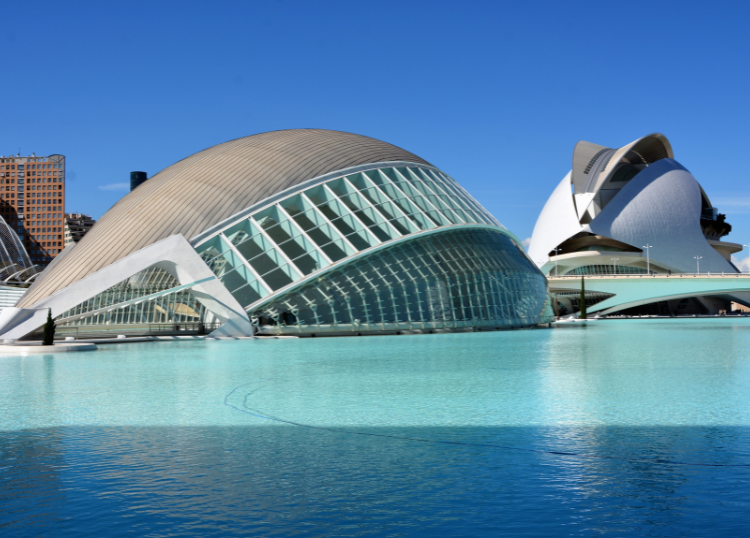
Water conservation has become an increasingly important consideration in modern architecture. As water resources face growing pressure, property owners and developers are looking for practical ways to reduce consumption without sacrificing comfort or functionality....
How Good Architecture Reduces Long-Term Maintenance Costs
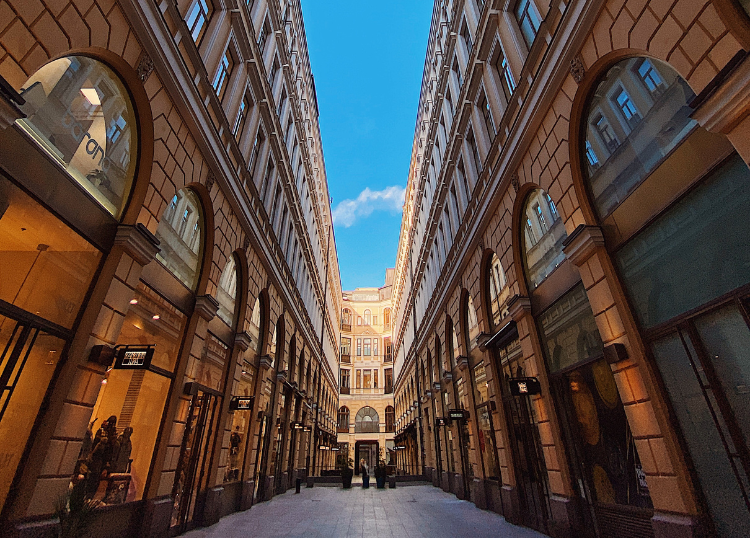
When planning a new home, commercial building, or development, construction costs often receive most of the attention. While staying within budget is important, the long-term cost of maintaining the building should also be a key consideration. Good architecture does...
Understanding Building Line Restrictions
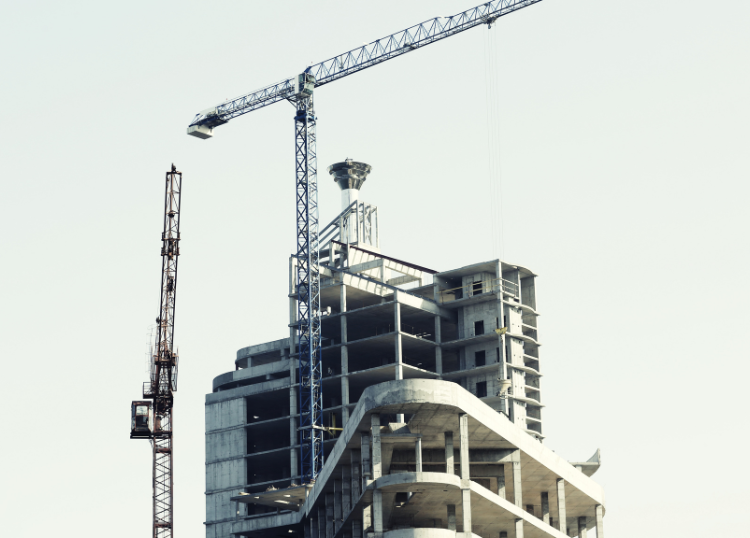
Whether you're planning a new home, extending your existing property, or developing a commercial building, building line restrictions are one of the first regulations you need to consider. These rules determine how close a structure may be built to a property's...
Site Selection Mistakes That Can Cost Developers Millions
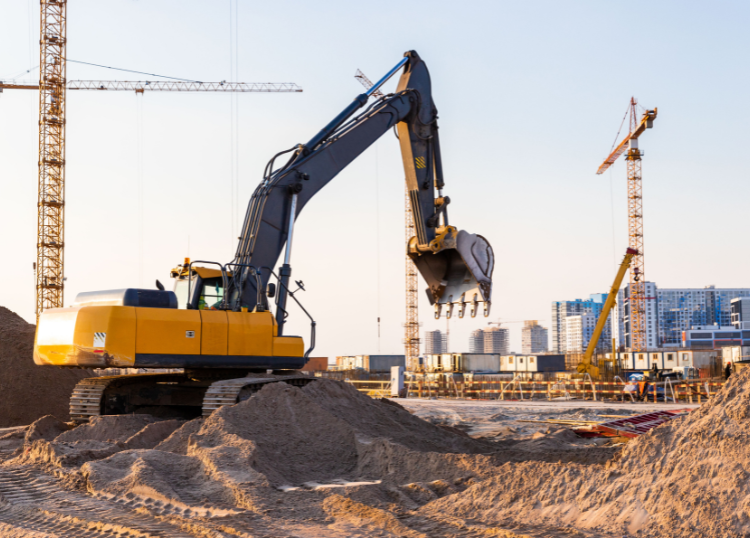
Every successful development starts with one critical decision: choosing the right site. Even the most innovative design or well-managed construction project cannot fully overcome the limitations of a poorly selected property. For developers, site selection is about...